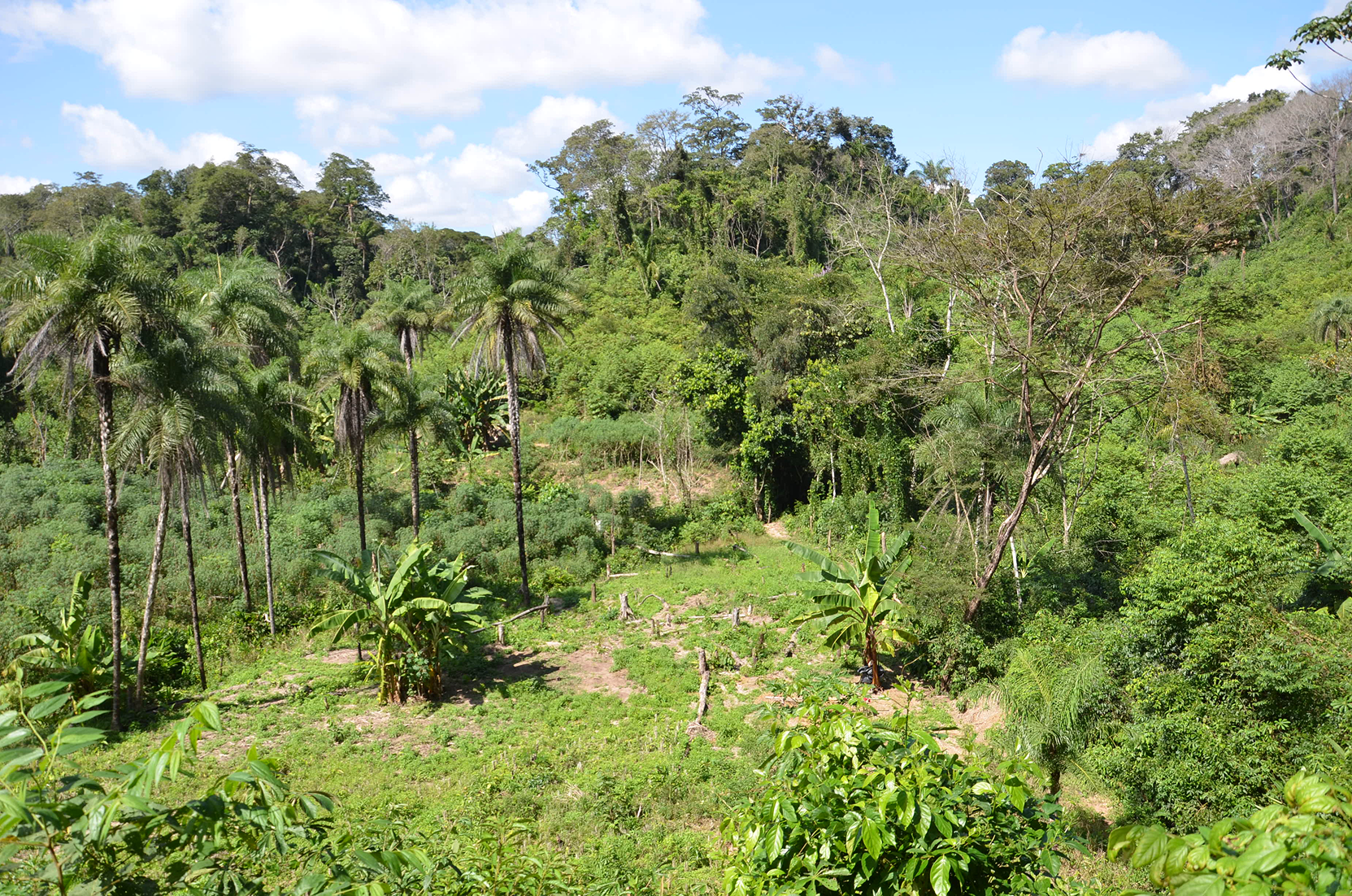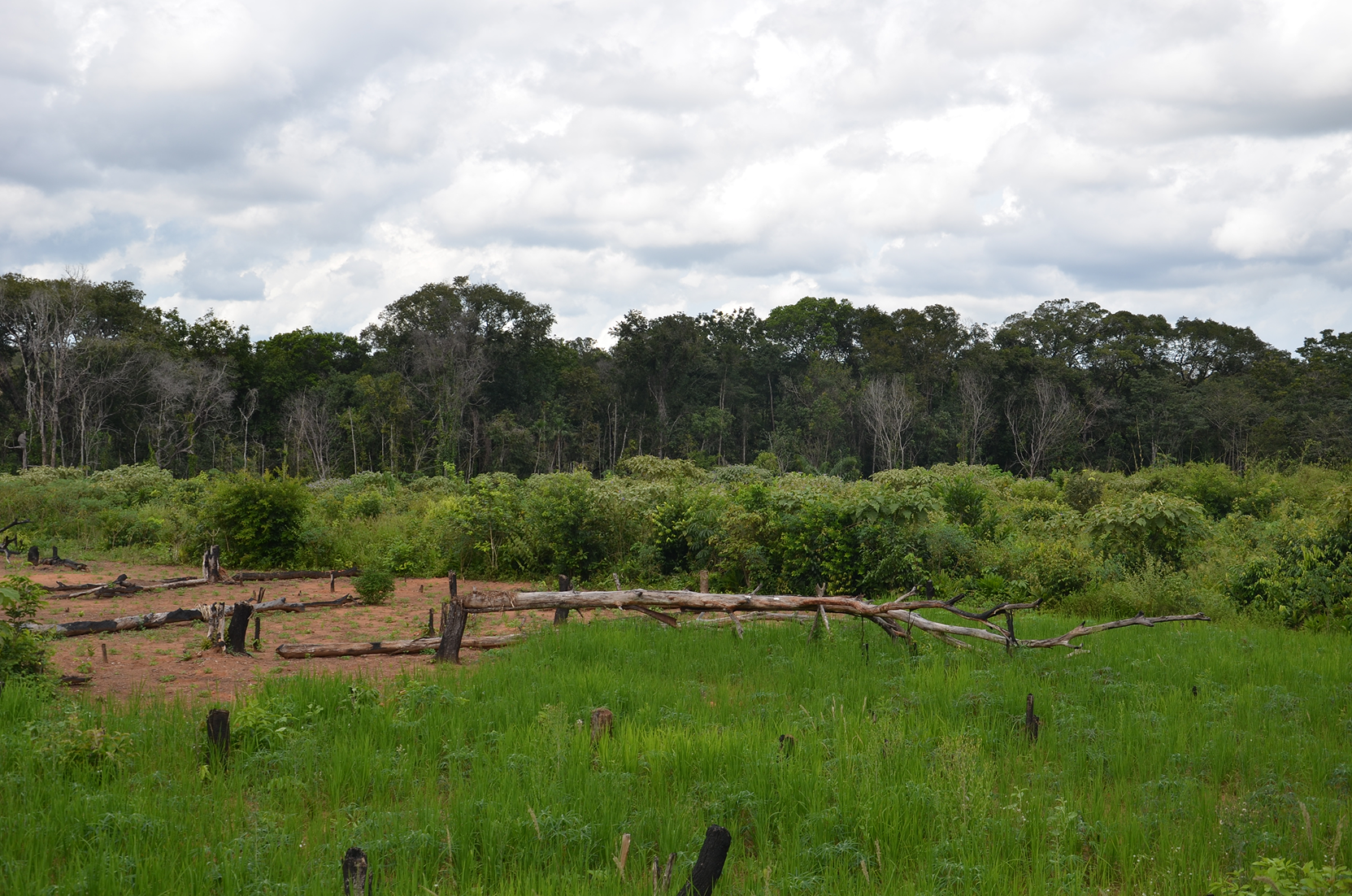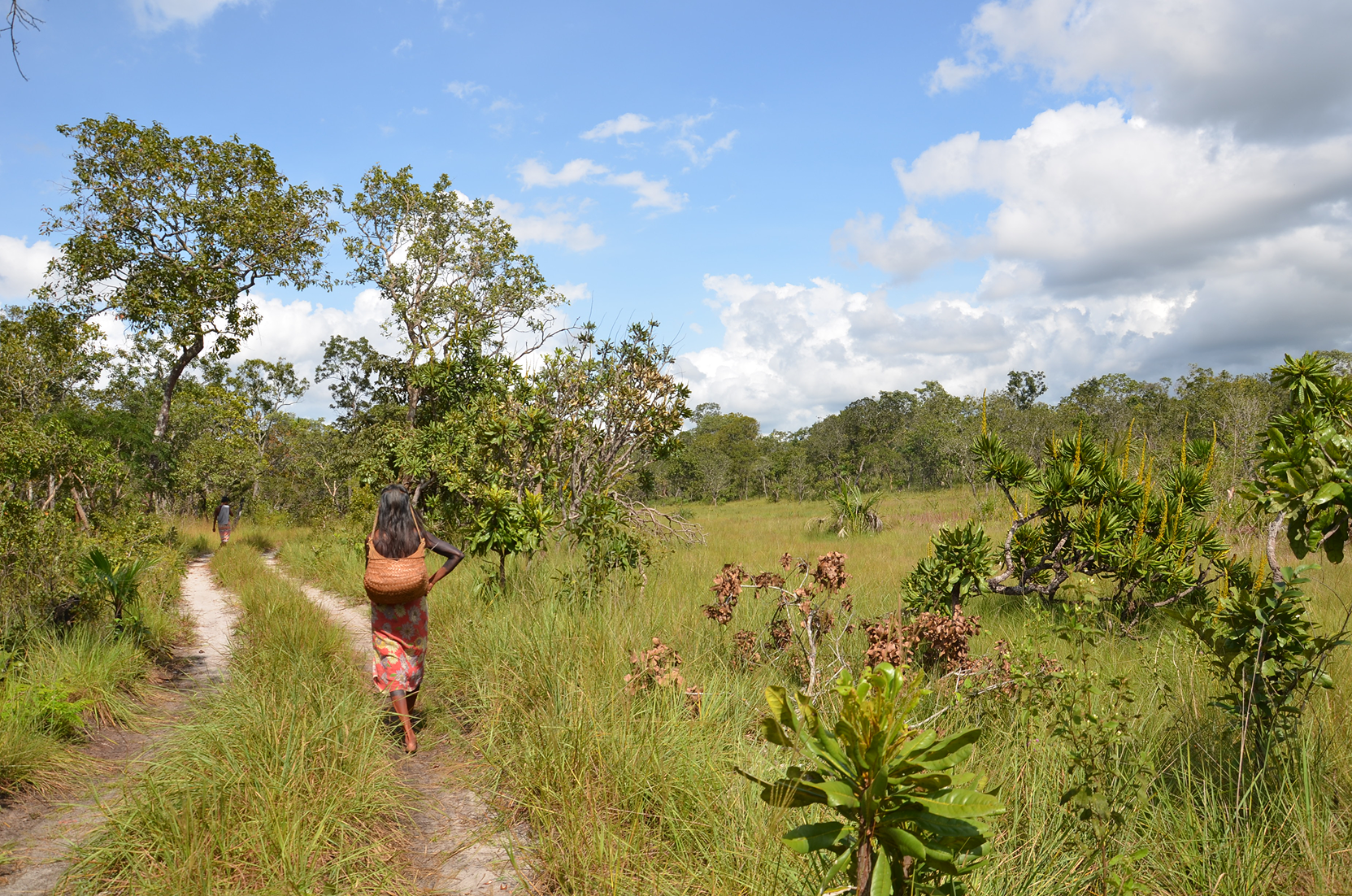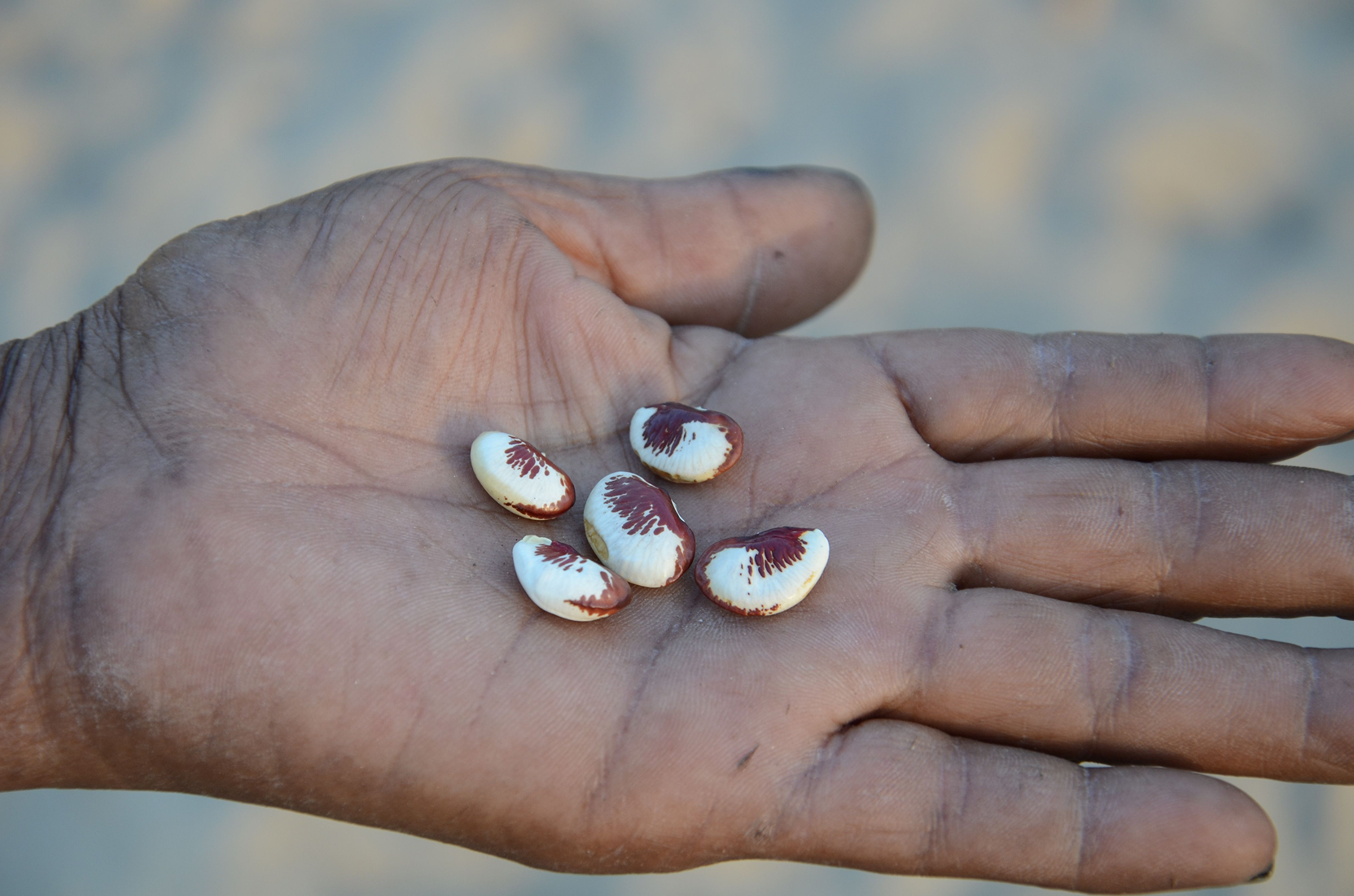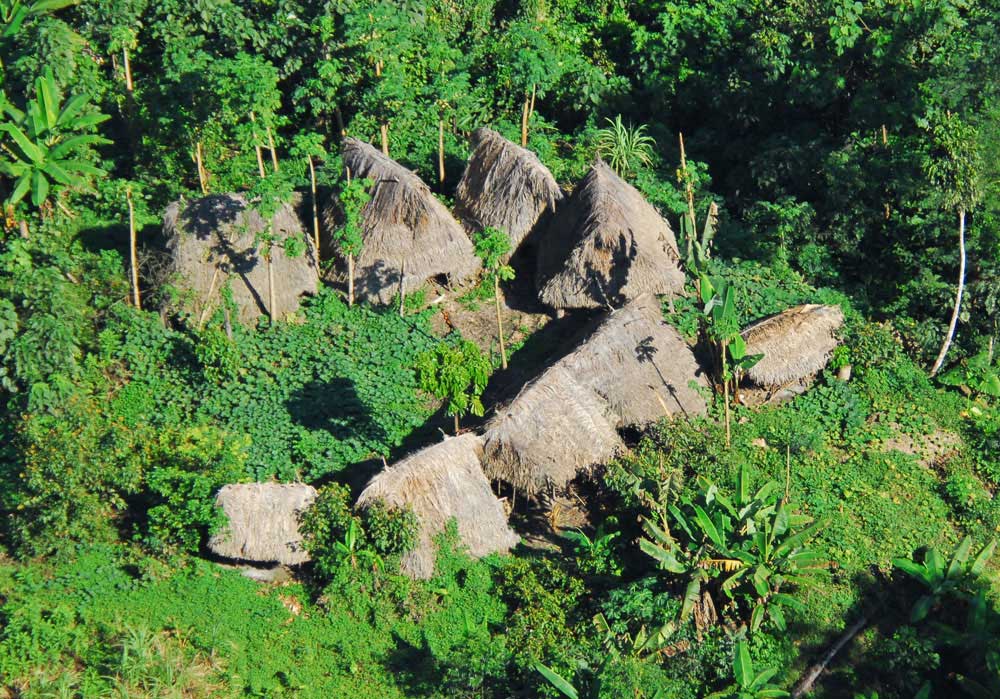
The Wajãpi are an Indigenous people living in the state of Amapá, in a territory of more than 600,000 hectares near the border with French Guiana. They speak a Tupi language belonging to the Tupi-Guarani language family.
In this episode, Joana Cabral de Oliveira shares what she has learned through years of working and living alongside the Wajãpi, exploring how Indigenous cultivation practices help create and sustain biodiversity.
The daughter of two biologists, Joana has dedicated much of her work to understanding how Indigenous peoples relate to and classify plants, and what these ways of knowing can teach us about botanics.
Joana Cabral de Oliveira is an anthropologist with a PhD from the University of São Paulo and Professor at the University of Campinas (Unicamp). She spent thirteen years working with the Wajãpi as an indigenist through the Institute for Research and Indigenous Education (Ipé).
Listen to this interview in audio:
Keywords: Forest Cultivation Systems; Humans and non-humans; Landscape
Gallery